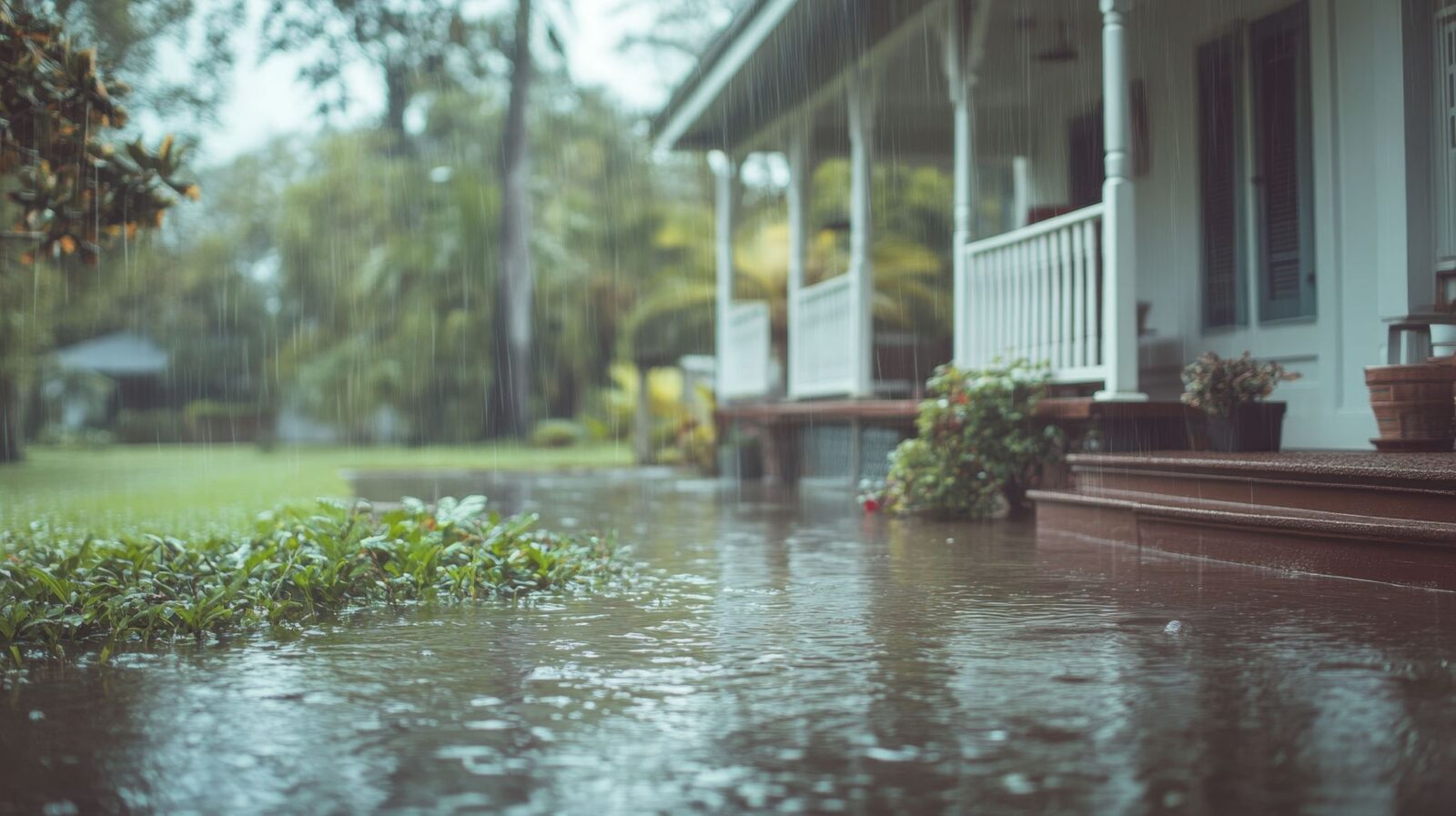
Mold remediation can become necessary when weather brings heavy rain, high humidity, storms, flooding, and changing temperatures. Because mold thrives in damp environments, excess moisture can quickly create conditions for growth inside a home or business.
Water can enter through a leaking roof, seep into a basement after heavy rain, or develop as condensation around windows, pipes, and HVAC systems. Catching these problems early can help prevent mold growth and reduce the need for extensive mold remediation later.
Weather and Mold Remediation
Weather throughout the year, and those conditions can contribute to moisture problems. Warm temperatures combined with high humidity can increase indoor moisture, while thunderstorms and heavy rainfall may expose problems around roofs, windows, foundations, and basements.
Weather conditions that can contribute to mold include:
- High humidity: Moisture can collect on walls, windows, pipes, and other surfaces.
- Heavy rain: Water may enter through roof leaks, foundations, or poorly sealed windows.
- Flooding: Standing water and saturated materials can create ideal conditions for mold.
- Hot summers: Air-conditioning systems can produce condensation when drainage isn’t working properly.
- Temperature changes: Warm, humid air meeting cooler surfaces can create condensation.
Have you noticed a musty smell or damp area after heavy rain? Investigating the source early may help you address the moisture before mold remediation becomes a larger project.
Preventing the Need for Mold Remediation
Moisture control is an important part of mold prevention. Property owners can take simple steps to keep their homes and businesses drier throughout the year:
- Repair plumbing, roof, and foundation leaks quickly.
- Use dehumidifiers in damp areas.
- Keep gutters and downspouts clear.
- Direct rainwater away from the foundation.
- Use bathroom and kitchen exhaust fans.
- Check HVAC drip pans and drainage lines.
- Dry wet materials as quickly as possible.
- Inspect basements, attics, and crawl spaces after water intrusion.
Don’t overlook small warning signs. Water stains, musty odors, recurring condensation, or damp walls could indicate a moisture problem that needs attention.
When Is Professional Mold Remediation Needed?
Simply cleaning visible mold may not address the source of the problem. Effective mold remediation includes identifying the moisture issue that allowed mold to develop in the first place. Professionals may be appropriate when mold covers a larger area, returns after cleaning, follows significant water damage, or is suspected behind drywall, flooring, ceilings, or other hard-to-reach areas.
Protect Your Property
Weather can change quickly, making moisture prevention especially important. Addressing leaks, humidity, and water damage early can help reduce the risk of mold growth.
If you are concerned about mold in your home or business, contact SMART Environmental Services LLC for professional mold remediation and help keep your property clean and dry.
Posted in Mold Remediation