
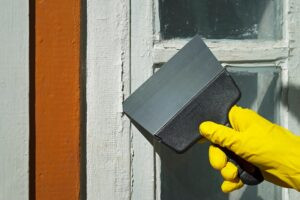
Hey there, neighbor! As the spring thaw hits the Midwest, it’s time to improve our communities. But the 2026 construction season brings a major shift for commercial property owners and local homeowners. In January 2026, the EPA began strictly enforcing new, zero-tolerance lead-based paint standards. Because of this, search volume for compliance testing and professional lead removal has…
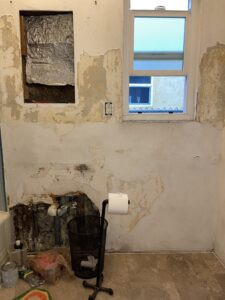
At SMART Environmental Services we know that spring updates often uncover hidden dangers. Proper asbestos removal ensures your property remains safe throughout the entire project. Asbestos Removal During Spring Renovations When planning spring renovations, understanding the condition of asbestos materials is critical before you start tearing down walls. Friable materials easily crumble and…

Spring Into Action: Why You Should Check for Mold Now Spring has finally arrived here in Kansas City! This is the time of year when many of us start thinking about home renovations. Maybe you want to remodel the kitchen or freshen up your basement. However, before you start tearing down any walls, there is…

Mold is a common problem in the Kansas City area. Mold remediation generally starts with a decision – tackle it yourself or hire a professional? At SMART Environmental Services, we often hear property owners ask if bleach is a product that can be used as an effective method of mold removal. The answer is bleach…
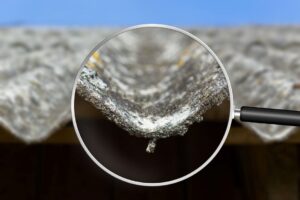
Asbestos removal is a critical step in protecting your home or business from serious health risks. Asbestos removal should be handled by trained professionals because exposure to asbestos fibers can be extremely dangerous. When disturbed, asbestos-containing materials release microscopic fibers into the air. Once inhaled, these fibers can lodge in the lungs and may lead…
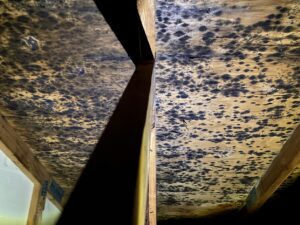
Mold removal is not always something that should be delayed. In some situations, mold growth requires prompt professional attention to protect your health and your property. Addressing mold early can prevent it from spreading and causing more serious issues over time. When Mold Requires Prompt Attention Not all mold problems are the same. Certain conditions…
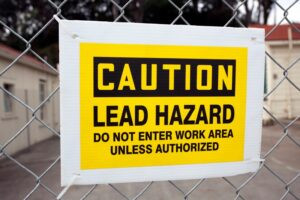
If your home has lead based paint then lead removal should be considered when preparing to sell a home, especially one built before 1978. Lead-based paint and contaminated dust are major red flags for buyers and inspectors, and they can significantly impact both safety and property value. Addressing the issue proactively helps protect your family…
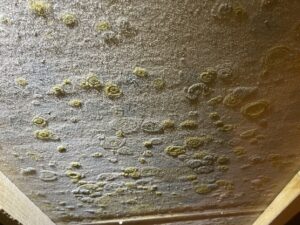
Mold removal is most effective when planned proactively rather than reactively. While mold can be addressed any time it is discovered, choosing the right season can make the process smoother, more efficient, and more cost-effective. Understanding when conditions are most favorable helps homeowners reduce moisture issues before they turn into serious problems. Why Timing Matters…

Lead removal is one of the most important considerations when purchasing a house built before 1978. That year matters because lead-based paint was banned for residential use in the U.S., meaning older homes in the Kansas City area may still contain hazardous lead paint on walls, trim, windows, and exterior surfaces. Understanding the risks and…
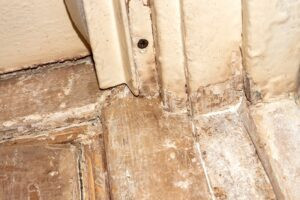
Lead removal is one of the most critical steps in protecting families, tenants, and employees from hidden environmental hazards. Lead poisoning typically occurs when deteriorating lead-based paint, contaminated dust, or tainted soil is inhaled or ingested. Because lead was widely used in residential and commercial construction prior to 1978, many older buildings still contain dangerous…