
May 20, 2026
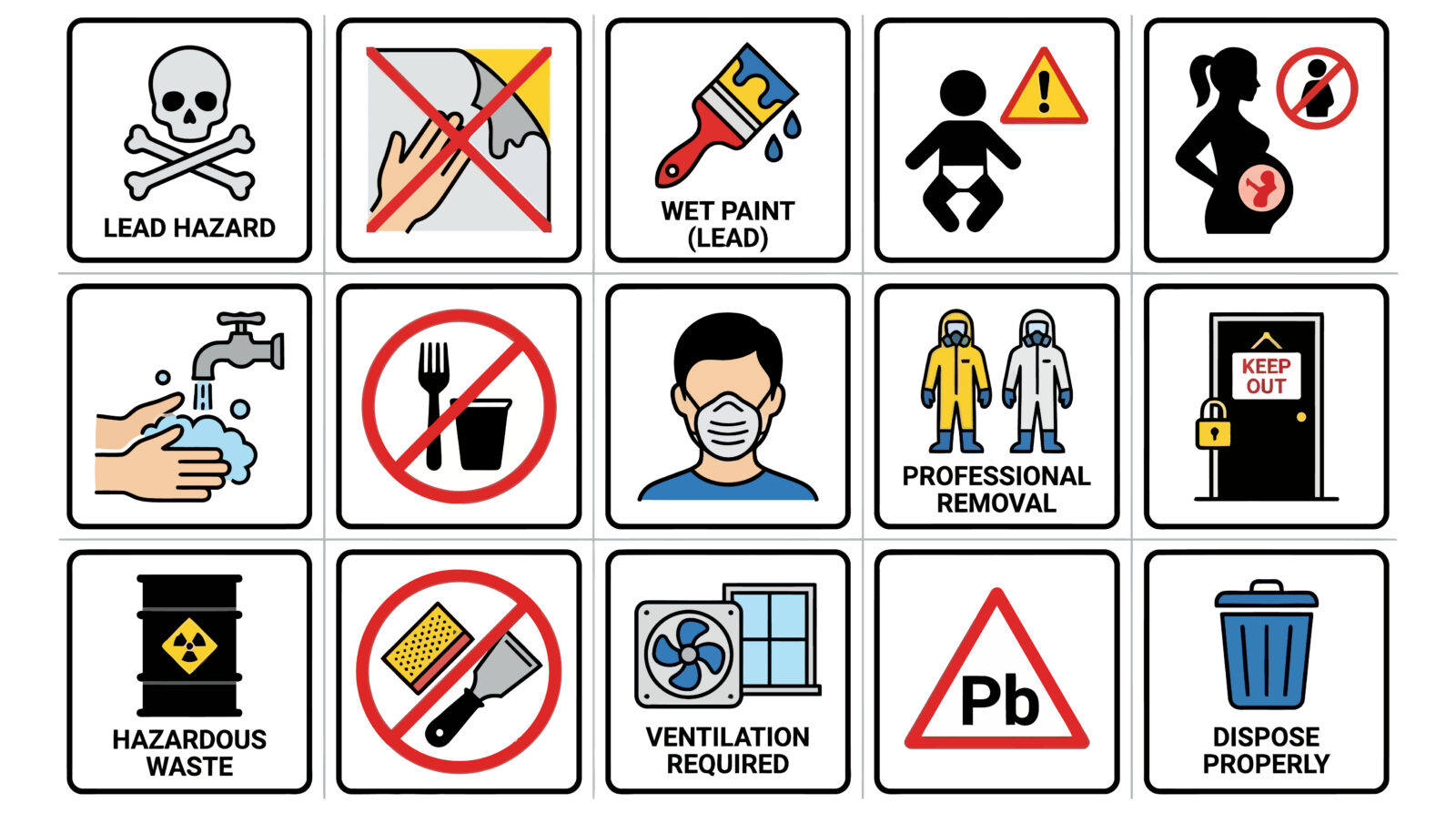
Spring is finally here, making it the perfect time to roll up our sleeves and upgrade our Midwestern homes. In January 2026, the EPA began strict enforcement of new lead-based paint standards. This shift caused searches for compliance and proper lead removal to surge. Let’s look at how these rules impact our neighborhoods.
Why Is Lead Removal So Important Today?
Lead removal is the technical process of safely extracting toxic lead-based paint and pipes from aging structures. This highly regulated cleanup stops hazardous dust from entering our soil and homes, preventing severe developmental issues in growing children.
The Kansas vs. Missouri Divide
Both states face significant lead-related challenges in 2026, though they stem from different primary sources. While Kansas generally ranks lower than Missouri for overall exposure, it still faces critical issues in its older urban centers. Historically, Kansas ranks around 13th nationally for elevated blood lead levels. Today, approximately 65% of Kansas children have detectable lead in their blood—lower than Missouri, but significantly higher than many other states.
The Kansas City Gap
Kansas City presents a unique situation. The Kansas side is often excluded from KCMO numbers because they are sister cities. However, houses on the Kansas side are just as old and contain the same lead in paint and pipes. Due to population differences, the KCK side ranks lower but experiences the exact same volume of issues as the Missouri side of the city.
Aging Homes and Screening Issues
The primary concern in Kansas is aging housing. The average Kansas home was built in 1976, just two years before the 1978 lead paint ban. This means a high percentage of residential units still contain deteriorating lead paint hazards. Furthermore, a major issue for Kansas is a lack of data. Health authorities note that low screening rates make it difficult to track the true extent of the problem compared to Missouri’s more robust MOHSAIC database tracking.
Quick Facts
- 65% of Kansas children have detectable lead in their blood.
- The average Kansas home was built in 1976.
- Poor screening makes tracking difficult compared to Missouri.
Steps for Upgrading Your Older Home
- Check your property’s exact build year in local county records.
- Hire a certified inspector to test your paint and water lines.
- Schedule certified experts to perform the actual cleanup.
Your Spring Safety Checklist
- [ ] Inspect older windowsills for chipping or peeling paint.
- [ ] Test your family’s residential drinking water.
- [ ] Ask your state health department about pediatric screening.
Frequently Asked Questions
Is lead paint still a major threat?
Yes. Deteriorating paint in pre-1978 residential units remains a critical hazard today.
Why does Kansas seem to have fewer issues?
A major issue for Kansas is a lack of data. Low screening rates hide the true extent of the problem.
A major issue for Kansas is a lack of data. Low screening rates hide the true extent of the problem.
Can I handle the cleanup myself?
No. Strict new EPA rules require certified professionals to prevent toxic dust from spreading.
No. Strict new EPA rules require certified professionals to prevent toxic dust from spreading.
Ready for a safer spring season? Contact us today to schedule your professional evaluation!