Summer in the Kansas City metro brings extreme humidity fluctuations that put heavy strain on commercial HVAC systems. When moisture levels spike indoors, building materials become vulnerable to sudden fungal colonization. Therefore, understanding how to manage this environmental shift is vital to prevent severe structural decay.
What Happens If a Property Suffers From Unchecked Mold Damage?
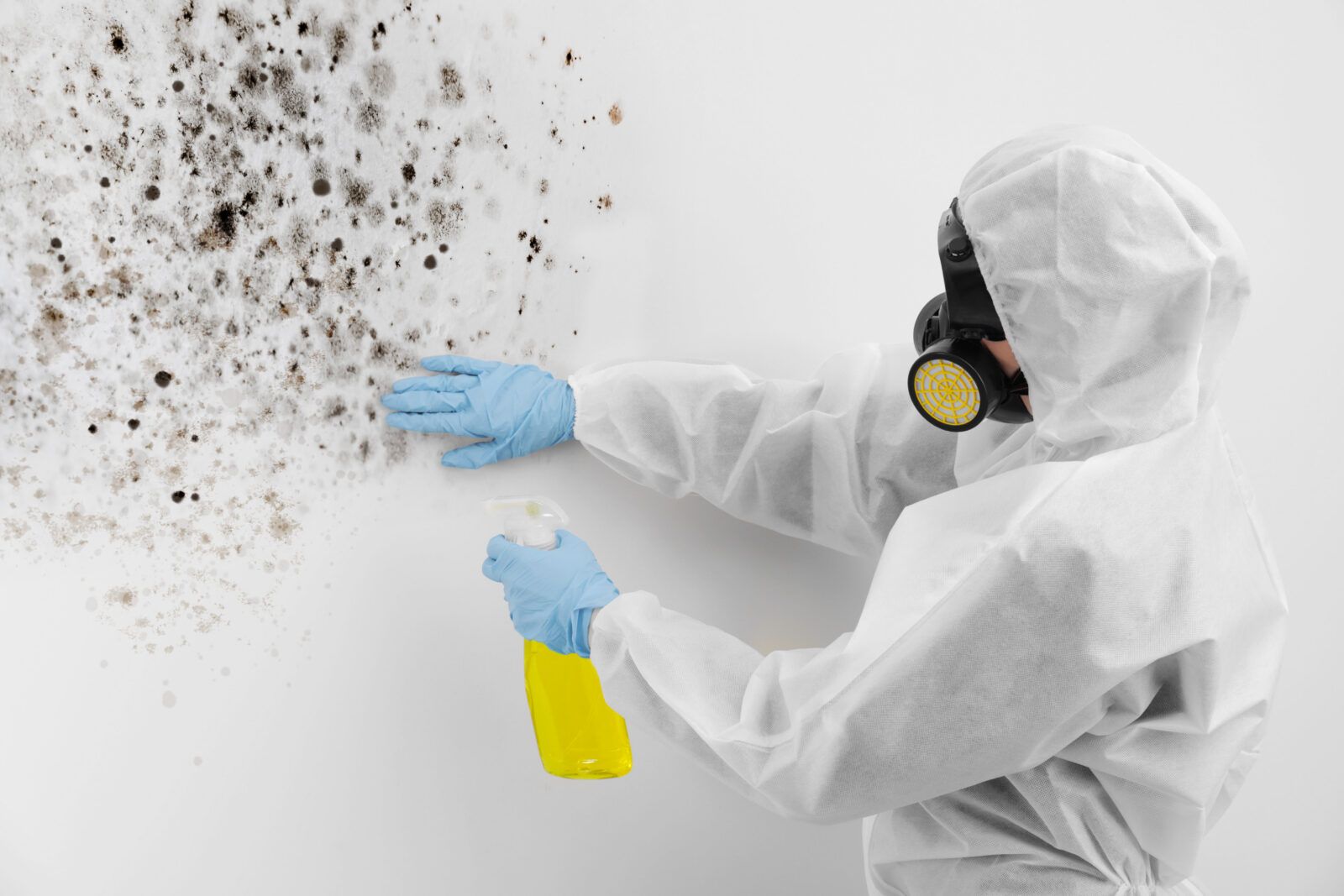
When high relative humidity is left unaddressed, microscopic spores quickly settle on porous building components. Consequently, this moisture trigger initiates rapid growth that destroys the building envelope from the inside out.
Fungal proliferation actively breaks down the organic binders found in common construction assets. If a property isn’t taken care of properly, wood framing warps, ceiling panels sag, and porous drywall completely disintegrates over time. Therefore, maintaining consistent indoor climate control is essential for long-term facility preservation.
The Consequences of Spore Migration
As fungi feed on damp structural substrates, they release airborne particles that travel swiftly through active ventilation grids. If remediation is delayed, the degradation spreads far beyond the original source, ruining expensive fixtures and interior finishes across multiple floors.
- Deteriorating ceiling grids lose structural integrity and collapse.
- Saturated wall assemblies cultivate hidden rot behind vinyl coverings.
- Contaminated mechanical ductwork distributes musty odors throughout the complex.
Our Step-by-Step Remediation Protocol
- Construct critical containment barriers to isolate affected structural zones.
- Deploy heavy-duty HEPA air scrubbers to capture circulating spores.
- Remove degraded materials and apply scientific drying methods.
Summer Facility Moisture Checklist
- Monitor indoor relative humidity to keep levels consistently below 50 percent.
- Inspect mechanical condensate pans and roofing drainage lines for blockages.
- Examine subterranean foundation walls for signs of dampness or tracking.
Frequently Asked Questions
How fast does mold begin to damage commercial drywall?
Fungal colonies can form and begin degrading porous organic surfaces within 24 to 48 hours of a severe moisture spike.
Can we just paint over structural water stains?
No. Covering up the spot without fully drying the substrate guarantees that underlying decay will continue to destroy the wall material.
Why do summer humidity spikes accelerate structural decay?
Warm, stagnant air combined with high humidity provides the perfect alchemical environment for rapid fungal feeding cycles.
Secure Your Commercial Asset
Do not let seasonal moisture spikes compromise your building investment. Aligned with industry-consensus guidelines from the EPA, the CDC, and professional IICRC standards, our team delivers definitive structural drying solutions. Contact SMART Environmental Services today for a comprehensive facility evaluation.