Lead abatement remains an important safety measure for homeowners and businesses, especially in older buildings where lead-based paint may still be present. Although lead-based paint was banned for residential use in 1978, many properties throughout Kansas City and surrounding communities still contain materials that could pose health risks.
But is lead poisoning still a concern today? Absolutely! Understanding the warning signs, who is most vulnerable, and when to contact a professional can help protect your family, employees, and property.
Warning Signs That Lead Abatement May Be Necessary
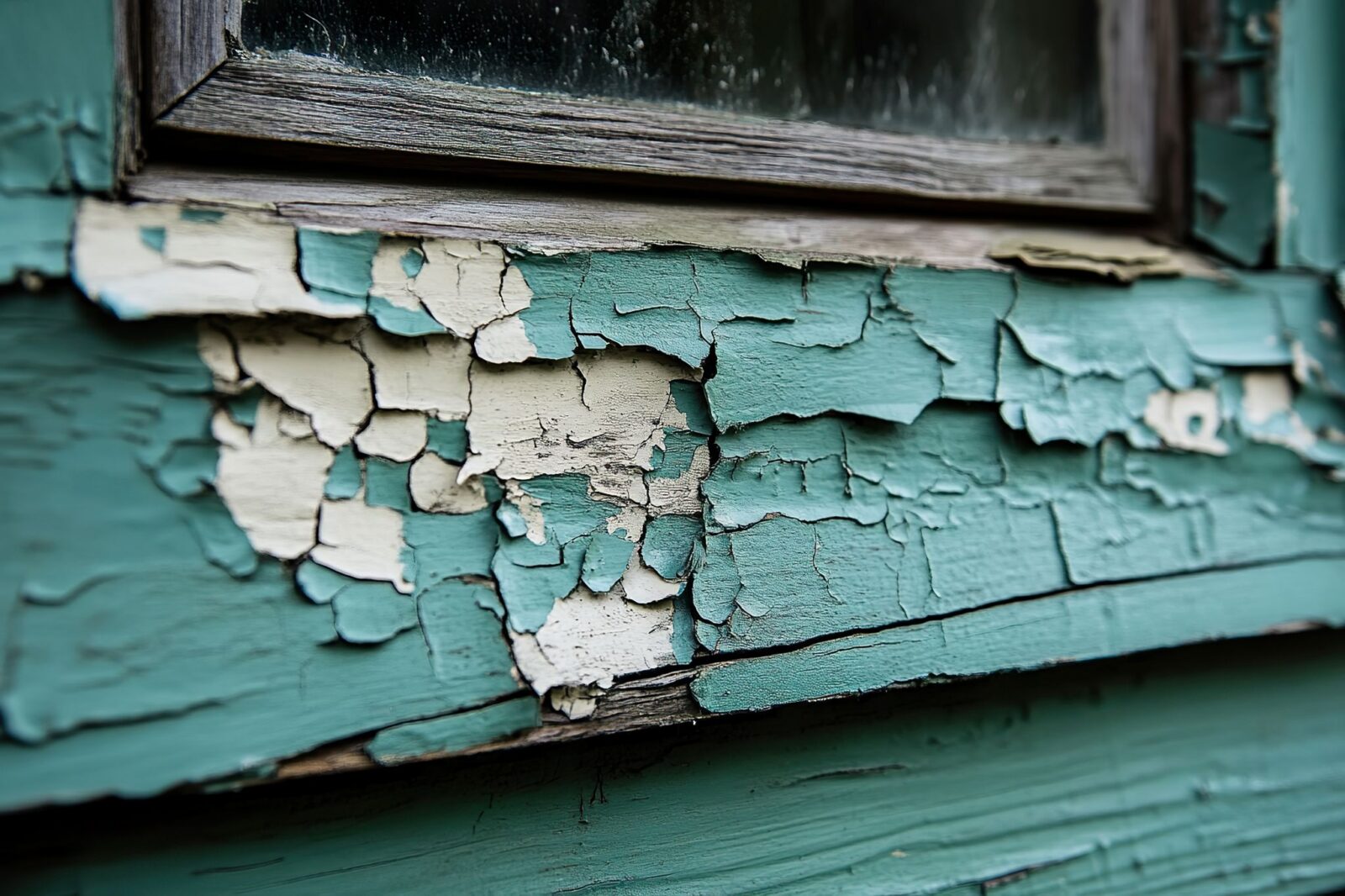
Lead hazards aren’t always visible. Lead-based paint can remain hidden beneath newer paint for decades. However, when painted surfaces deteriorate, they may release harmful dust and particles.
Watch for these potential warning signs:
-
Peeling or chipping paint: Common around older windows, doors, and walls.
-
Dust buildup: Lead-contaminated dust may collect on windowsills, floors, and other surfaces.
-
Deteriorating surfaces: Cracking or flaking paint can increase exposure risks.
-
Older plumbing: Some pipes, fixtures, and solder may contain lead.
-
Renovation projects: Sanding, scraping, or demolition can disturb lead-based materials.
Because lead cannot be identified by appearance alone, professional testing is important when contamination is suspected.
Who Is Most at Risk?
While lead exposure can affect anyone, certain individuals are more vulnerable.
-
Young children: Children under six are particularly vulnerable because their brains and nervous systems are still developing.
-
Pregnant women: Lead exposure can affect both maternal health and fetal development.
-
Construction workers: Renovating older buildings can increase exposure to contaminated dust.
-
Residents of older properties: Homes built before 1978 may contain lead-based paint.
Lead poisoning often develops without obvious symptoms. Exposure can contribute to learning difficulties, developmental delays, and other health concerns. A blood lead test can help determine whether exposure has occurred.
When Should You Call a Lead Abatement Professional?
Are you planning renovations or noticing deteriorating paint in an older property? Before beginning work, consider having the affected areas evaluated.
Professional lead abatement may be necessary when:
-
Testing confirms lead-based paint hazards.
-
Renovations could disturb lead-containing materials.
-
Lead-contaminated dust or soil is identified.
-
An occupant has an elevated blood lead level and the property is a suspected exposure source.
Attempting to remove lead-based paint without proper training can spread contamination. Certified professionals use specialized equipment and safety procedures to reduce exposure risks.
Protect Your Property With SMART Environmental Services
Lead poisoning remains a concern, but identifying hazards early can help create a safer environment.
At SMART Environmental Services LLC, we provide professional lead abatement services for residential and commercial properties throughout the Kansas City area. Our team prioritizes safety while helping property owners address potential hazards.
Don’t let hidden lead hazards put your property or loved ones at risk. Contact SMART Environmental Services today to learn more about our lead abatement services and schedule an evaluation.
Posted in Lead Abatement